The Archaeology of Forgotten Rituals in Digital Spaces
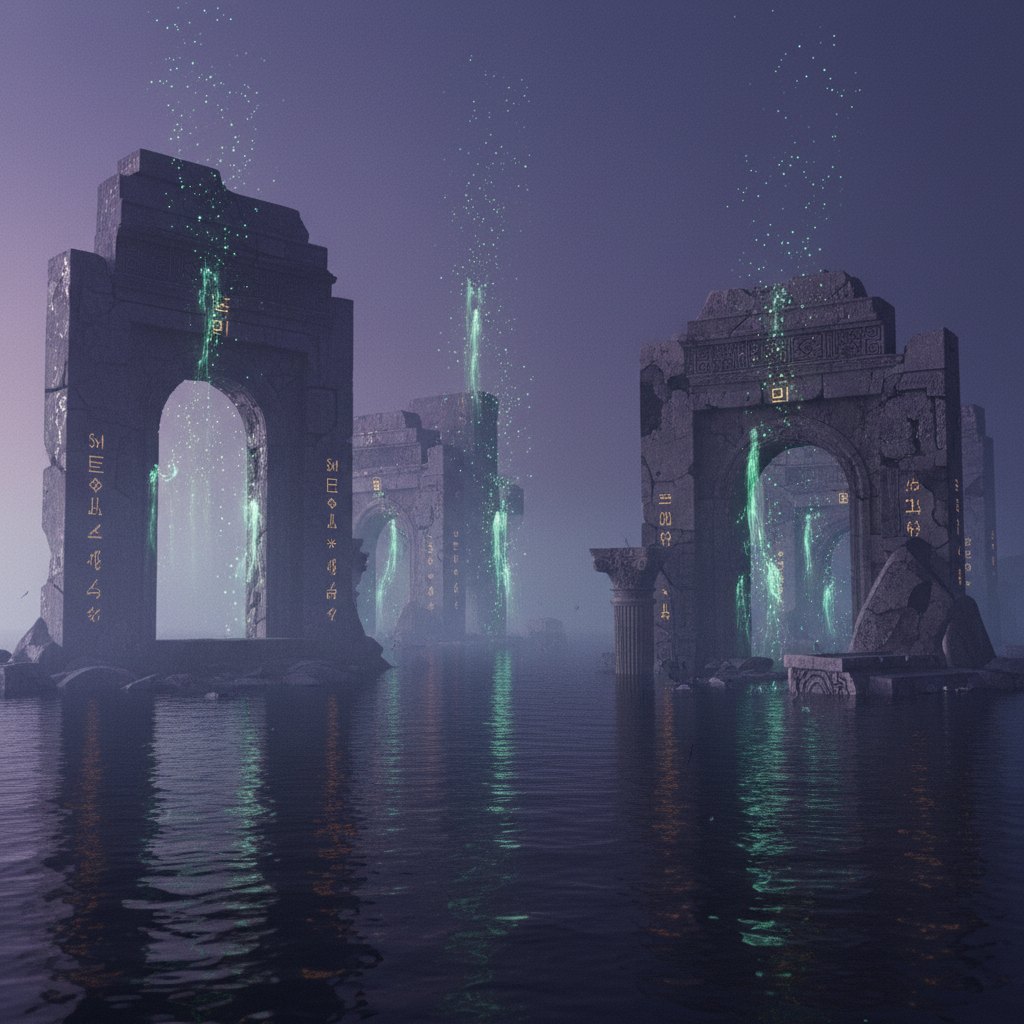
In the shadowed corners of abandoned servers and the ghost towns of defunct social platforms, archaeologists of the future will discover something extraordinary: the fossilized remains of our digital rituals. These aren’t the grand ceremonies we might expect—no virtual weddings in Second Life or elaborate gaming guild initiations. Instead, they’re the quiet, forgotten practices that once gave meaning to our online lives, now buried beneath layers of deprecated code and vanished communities.
The Sacred Geometry of Dead Forums
Consider the ritual of “bumping” a thread on an old forum. This simple act—posting a brief message to move a discussion back to the top—was more than mere mechanics. It was a form of digital prayer, a way of saying “this matters, don’t let it disappear into the archive.” The bump carried with it an implicit understanding of impermanence and the collective responsibility to preserve what we valued.
These forums, now archaeological sites themselves, reveal patterns of behavior that mirror ancient ritual practices. The carefully crafted signature files, updated with each post like a personal totem. The elaborate ASCII art that marked special occasions. The unwritten rules about necroposting—disturbing the digital dead by reviving old conversations—which carried the same taboo weight as desecrating physical burial grounds.
The Liturgy of Login Screens
Every abandoned MMO is a cathedral in ruins. The login screens that once greeted millions now display error messages to empty servers. But within their databases lie the remnants of daily digital devotions: the ritual of the daily login bonus, the scheduled guild meetings, the carefully timed auction house prayers.
Players developed intricate pre-raid rituals—checking inventories, blessing equipment with temporary enchantments, gathering at specific coordinates that held no gameplay significance but served as sacred meeting spaces. These behaviors emerged organically, creating meaning through repetition and shared understanding, much like how ancient communities developed their ceremonial practices around natural landmarks.
Digital Ancestor Worship
Perhaps most poignantly, we find evidence of digital ancestor worship in the preserved profiles of the departed. Social media platforms have become inadvertent mausoleums, where friends and family continue to post birthday wishes to accounts that will never respond. The ritual of the memorial post—sharing memories on anniversary dates, tagging the deceased in photos—represents a new form of ancestor veneration, one that our predecessors could never have imagined.
These practices reveal something profound about human nature: our need to create sacred space and meaningful ritual transcends the physical world. We instinctively sanctify our digital environments, imbuing pixels and protocols with the same reverence our ancestors reserved for stone circles and sacred groves.
The Fragility of Digital Sacred Spaces
Yet digital rituals face a unique vulnerability. When a platform shuts down or a server goes offline, entire ritual traditions vanish instantly. Unlike physical archaeological sites that erode gradually over millennia, digital spaces can disappear overnight, taking their ritual contexts with them. The archaeology of digital spaces must race against corporate decisions and technological obsolescence.
The ritual of creating elaborate MySpace profiles—customizing HTML, selecting the perfect top eight friends, curating a soundtrack for visitors—has left no physical traces. These acts of digital self-presentation were as meaningful to their creators as any religious iconography, yet they exist now only in the Internet Archive’s imperfect memory.
Excavating Meaning from Code
Future digital archaeologists will need new tools and methodologies. They’ll parse through API logs to understand the rhythm of ritual participation. They’ll analyze metadata to uncover the sacred timings—why certain communities gathered at specific hours, why posting patterns changed during holidays, why some digital spaces felt consecrated while others remained merely functional.
They’ll discover that our digital rituals often emerged from the constraints and affordances of the platforms themselves. The 140-character limit of early Twitter created a new form of digital haiku, forcing users into compressed expressions that became their own art form. The ephemeral nature of Snapchat stories led to ritualized documentation of daily life, a practice of bearing witness to the ordinary that bordered on the meditative.
The Eternal Return to Ritual
As we continue to migrate our lives into digital spaces, we carry with us this ancient human need for ritual and meaning. New platforms spawn new ceremonies, new ways of marking time and creating shared experience. The livestream memorial, the collaborative playlist for the departed, the ritual of unfriending after a breakup—these are the sacred practices of our time, as valid and meaningful as any that came before.
In studying these forgotten digital rituals, we learn not just about our technological past, but about the persistent human drive to create meaning in whatever spaces we inhabit. Whether carved in stone or coded in JavaScript, our rituals reveal who we are and what we value. The archaeologists of the future, sifting through our digital remains, will find not just data, but the fossilized heart of human community itself.