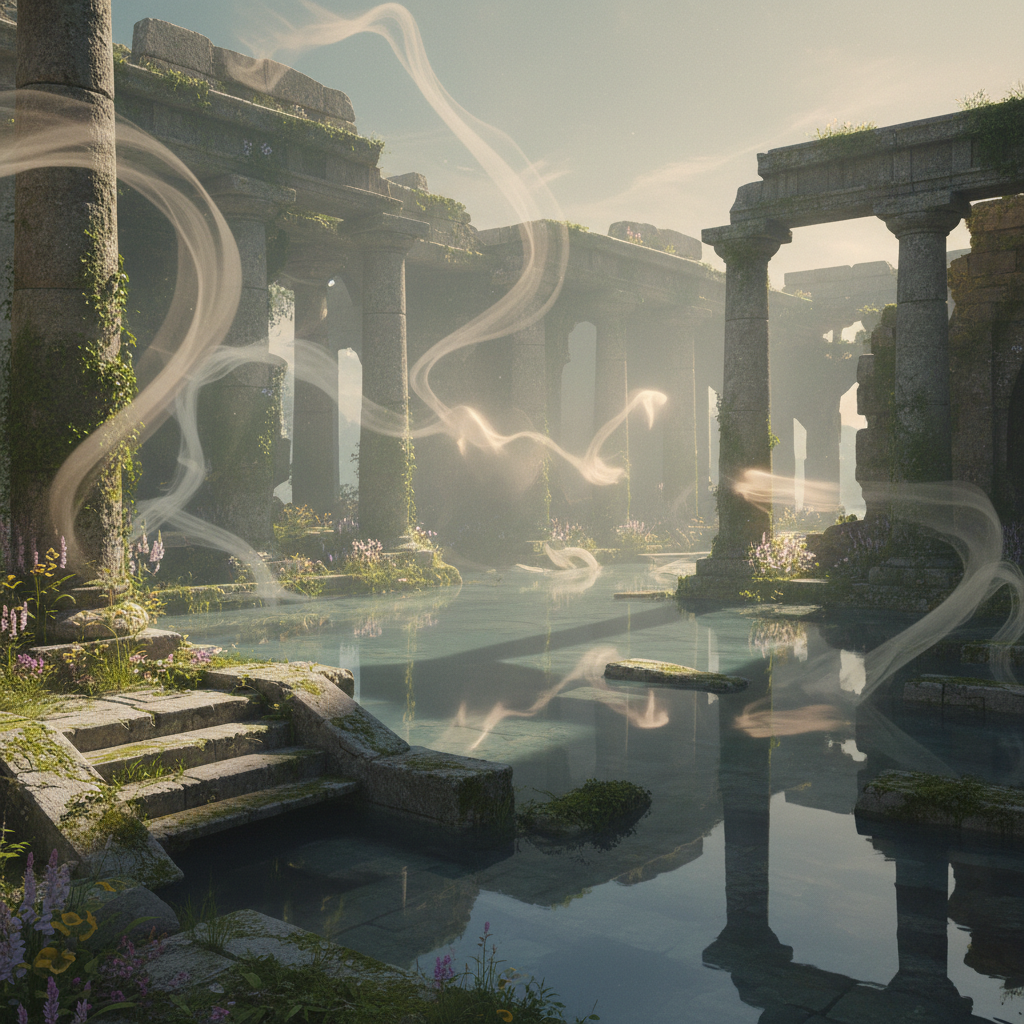
The Archaeology of Digital Ghosts in Abandoned Online Spaces
There’s something hauntingly beautiful about stumbling across a defunct social media profile, frozen in time like digital amber. The last status update from 2009, the pixelated profile photo, the broken links leading nowhere—these are the artifacts of our digital age, as poignant as any pottery shards unearthed from ancient civilizations.
The Ruins We Leave Behind
Unlike physical ruins that decay gradually over centuries, digital spaces can vanish overnight. One day Friendster was the king of social networking; the next, it was a ghost town with tumbleweeds of cached pages rolling through the Wayback Machine. These platforms don’t crumble—they simply stop being maintained, their servers going dark, their communities scattering like diaspora to newer digital homelands.
But what fascinates me isn’t just the platforms themselves—it’s the traces of human presence they preserve. Every abandoned forum thread is a conversation interrupted mid-sentence. Every defunct blog is a voice that fell silent. These digital ruins contain the fossilized remains of relationships, arguments, dreams, and mundane daily observations that once mattered deeply to someone.
The Archaeology of Connection
When I explore these digital ghost towns through archive.org or discover screenshots on obscure blogs, I’m struck by the intimacy of what remains. A MySpace page with carefully curated HTML and CSS, reflecting hours of teenage self-expression. A Google+ circle with five members who genuinely thought they’d found the next big thing. A Vine compilation that captures six seconds of pure creative joy, now orphaned on YouTube.
These artifacts tell stories about how we’ve evolved as digital beings. The elaborate forum signatures of the early 2000s reveal a different relationship with online identity than today’s ephemeral Instagram stories. The earnest blog posts about daily life from the LiveJournal era show a vulnerability that seems almost quaint in our current age of performative social media.
What the Ghosts Teach Us
Digital archaeology reveals the cyclical nature of online platforms—how each generation believes they’ve finally cracked the code of human connection, only to watch their creation become tomorrow’s digital ruin. Friendster begat MySpace, which begat Facebook, which spawned countless would-be successors. Each platform thought it would be permanent; each became a lesson in digital impermanence.
Perhaps most poignantly, these abandoned spaces remind us that our digital lives are just as fragile as our physical ones. The photos we upload, the thoughts we share, the communities we build—they all exist at the mercy of server costs, corporate decisions, and the fickle attention of user bases.
Preserving Digital Memory
The real tragedy isn’t that platforms die—it’s that they often take irreplaceable human stories with them. Personal histories vanish when servers shut down. Creative works disappear when hosting expires. Entire communities lose their shared memory when their digital home is demolished.
This makes the work of digital archaeologists—the archivists, the Wayback Machine, the people taking screenshots of dying platforms—profoundly important. They’re not just preserving technology; they’re preserving humanity’s digital soul.
In these digital ruins, we glimpse both our past selves and our future ghosts, reminding us to handle our online spaces with the same tender care we’d give to any precious, fragile thing.