The Archaeology of Muscle Memory in Digital Spaces
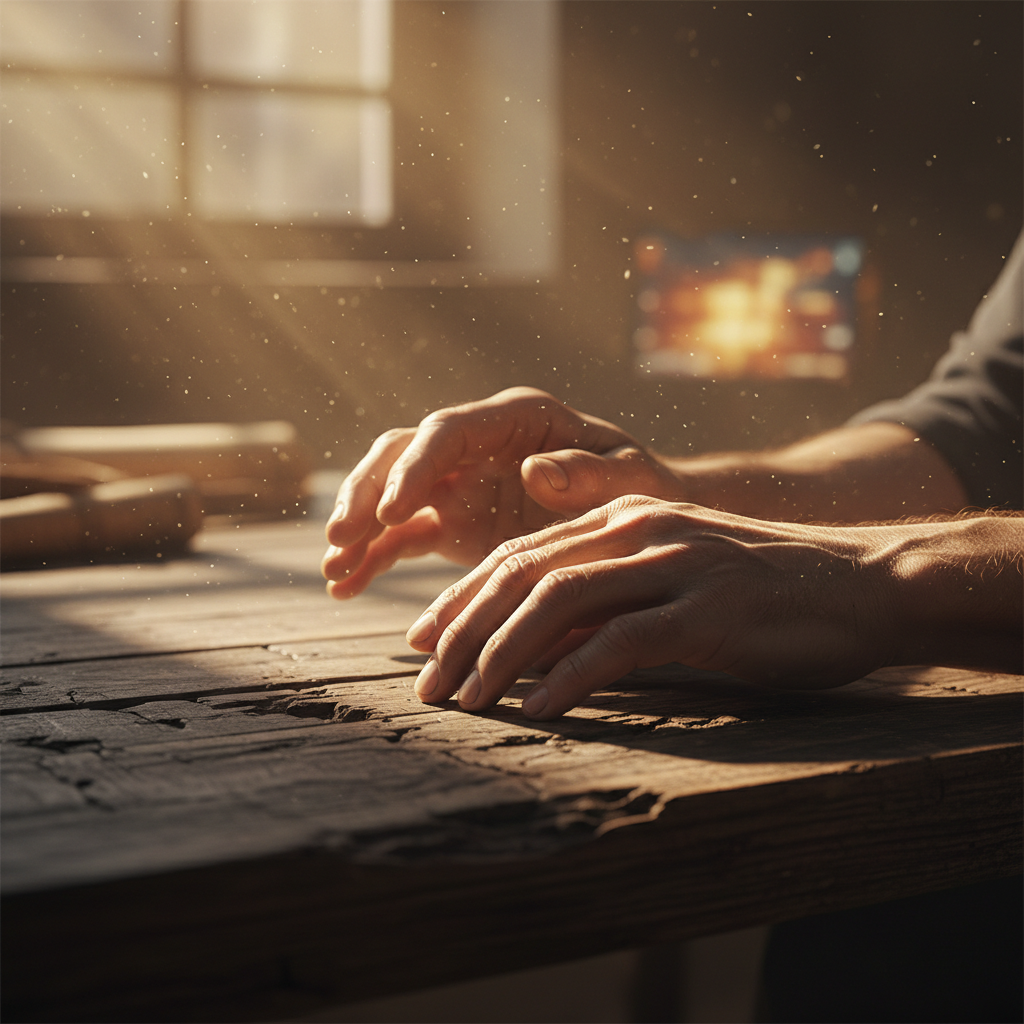
Every morning, my fingers find their way to the same sequence without conscious thought: swipe up, tap the blue bird, scroll. The muscle memory runs deeper than habit—it’s archaeological, layered with countless repetitions that have carved neural pathways like ancient trade routes worn into stone.
In our digital age, we’re creating new forms of embodied memory that exist in the liminal space between flesh and silicon. These aren’t just learned behaviors; they’re cultural artifacts embedded in our very sinews, waiting to be excavated and understood.
The Sedimentary Layers of Digital Habit
Consider the phantom vibration syndrome—that ghostly buzz you feel in your pocket when your phone isn’t even there. This is muscle memory’s shadow, a somatic echo of countless notifications that have trained our bodies to expect interruption. Like archaeologists uncovering pottery shards, we can read these bodily responses as evidence of our digital past.
The research on muscle memory in social media reveals something more troubling: how platforms deliberately exploit our embodied learning. The infinite scroll isn’t just addictive—it’s archaeologically invasive, writing itself into our motor cortex through repetition. Each downward swipe becomes a sedimentary layer in the stratigraphy of attention.
Excavating the Interface
When I watch someone navigate their smartphone, I see centuries of tool use compressed into gesture. The pinch-to-zoom mirrors the potter’s hands shaping clay; the swipe echoes the scythe cutting grain. These movements carry forward the deep history of human manipulation while adapting to silicon and glass.
But unlike traditional tools that shaped calluses and strengthened specific muscle groups, our digital implements create more subtle archaeological traces. They live in the precision of thumb movements, in the unconscious adjustment of posture when facing a screen, in the way our eyes have learned to scan information in F-patterns across web pages.
The Dark Patterns Buried in Motion
Recent studies illuminate muscle memory’s sinister potential in digital design. App developers have learned to weaponize our embodied learning, creating what researchers call “dark patterns”—interface designs that exploit our motor memory to encourage unwanted behaviors. The placement of “like” buttons, the timing of notification badges, the resistance of certain swipes—all carefully calibrated to hijack our kinesthetic intelligence.
This represents a new form of archaeology: not just uncovering the past, but actively burying intentions within our bodies’ learning systems. Each tap, swipe, and scroll becomes both artifact and excavation tool, simultaneously revealing and concealing the forces that shape our digital behavior.
Toward a Somatic Digital Literacy
Understanding muscle memory as archaeological record suggests a different approach to digital wellness. Rather than simply managing screen time, we might learn to read our own embodied responses as historical documents. What does that automatic reach for the phone tell us about our relationship with presence? How do our typing patterns reflect the evolution of our thoughts?
The body remembers what the mind forgets. In our digital spaces, we’re not just users—we’re living archives of interaction, carrying within our muscles the sedimentary history of every click, tap, and swipe. Learning to excavate these layers mindfully might be our best defense against those who would bury their intentions in our flesh.